Asbestos Containing Materials (ACMs) in the Waste Industry
Diane Cave, Director at Compass Due North, is an independent consultant providing training and consultancy to the waste and resources management industry. As a CIWM/WAMITAB qualified assessor, she delivers training, mentoring, and assessments through Certora Training. Diane began her career at the Environment Agency in 1996, building strong expertise in regulatory compliance. She has also supported CIWM in developing training qualifications. More recently, Diane achieved Chartered status in 2024, becoming a Chartered Resource and Waste Manager (CRWM).
In this guest blog, Diane shares her expert knowledge on asbestos - explaining what it is, why it’s dangerous, and how it should be safely handled and disposed of. It also highlights the ongoing risks of improper disposal and the importance of following correct procedures.
Asbestos in a natural mineral that was widely used in the construction industry due to its strength, fire resistance, and insulating properties. It was also used in the manufacture of products such as brake pads, ironing board covers, fire blankets, textured paints, and protective gloves.
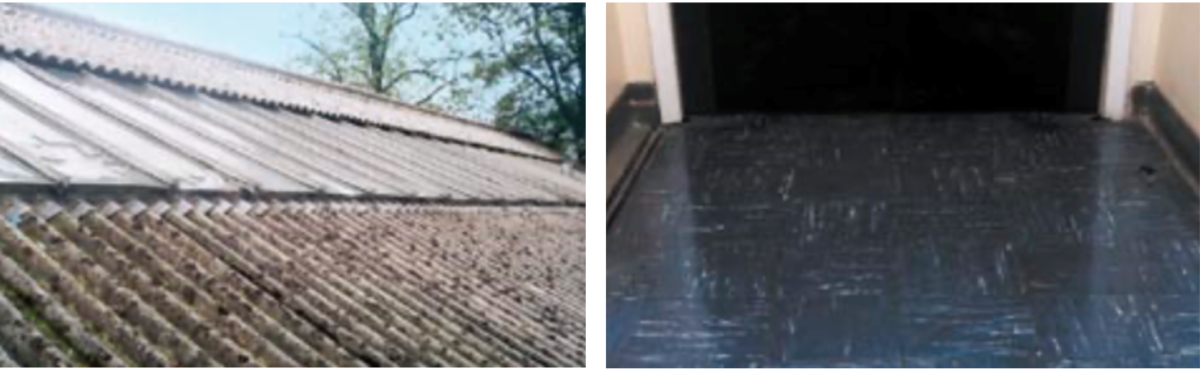
Although asbestos was banned in 1999, Asbestos-containing materials (ACMs) such as cement bonded roof tiles, are still arriving at waste management facilities that are permitted to accept them. The ACMs are often booked into site at a specific time so that they can be handled in an appropriate manner.
Unfortunately, ACMs are also hidden in the bottom of skips, fly tipped in country lanes, placed within a householder’s black bin or ‘sneaked’ into Household Waste Recycling Centres. When hidden ACMs arrive at a waste management facility that is not permitted to accept them, they are often discovered by site staff who are not wearing the appropriate PPE to handle ACMs.
There are two main reasons why ACMs are not disposed of correctly; the producer of the waste is unaware of the dangers of the ACMs and the requirement to properly dispose of them, or they are trying to avoid disposal costs.
Why is this a problem?
When ACMs are damaged or cut, they release microscopic fibres into the air - you cannot see, smell or feel the fibres in the air or on your clothes. The fibres, if inhaled, can lodge in the lungs and can cause health issues including asbestosis, mesothelioma, lung cancer and pleural thickening. These diseases take time to develop and once they are diagnosed it can be too late to do anything. There is no safe level of asbestos exposure.
How to dispose of ACMs
If you find any material that may contain asbestos, you should follow the HSE guidance. If hazardous waste is removed from site by a business or company, you will need to complete a hazardous waste consignment note and the waste should be taken to an environmental permitted facility that is permitted to accept it.
ACMs can be handled by a specialist contractor licenced by the HSE. The contractors will have the appropriate experience, PPE, equipment, and training.
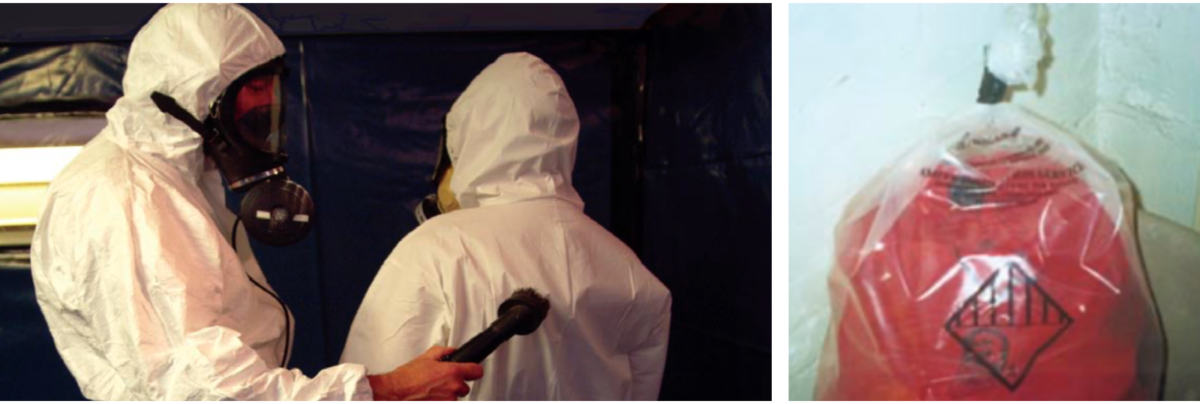
Small quantities of ACMs can be taken by householders to their local Household Waste Recycling Centre (HWRC), the householders need to follow the guidelines from their local council. The ACMs must be double wrapped in plastic sheeting or bags prior to arrival on site. The bags or sheeting’s must be taped in place to ensure that no fibres can escape to protect the householder and the site operatives when handling the material. A householder does not need to complete a hazardous waste consignment note to take the waste to a HWRC.
Get in touch with our team to find out about CIWM qualifications which will help build your knowledge on how to handle asbestos at an environmental permitted facility.